

A personal assistant booking lunch for a director and two visiting clients is not really choosing a restaurant. They’re choosing a setting for a ninety-minute conversation that has to accomplish something, end on time, and leave a favourable impression. The food matters, but it’s rarely what goes wrong. What goes wrong is a table too close to a noisy service station, a main course arriving forty minutes after the starter, or a room so lively that nobody can hear the client who speaks quietly. Three criteria address most of that risk when booking a Raffles Place lunch set in Singapore for executive guests.
1. Course Timing and Whether the Kitchen Works to a Schedule
Business lunches run to a clock. Guests often have afternoon commitments, and a meal that overruns forces an awkward choice between cutting the conversation short and making everyone late.
The useful question to ask when booking is whether the venue can commit to a total duration and pace the courses accordingly. Many CBD restaurants are experienced with this and will confirm a set finishing time, adjusting service so the main arrives with enough margin. Some will ask whether you want coffee served promptly or held back for a longer discussion. A venue that hasn’t considered this and simply serves at its own rhythm introduces uncertainty into a meeting you’re trying to control.
It’s also worth confirming what happens if a guest arrives late, since a fifteen-minute delay at the start compresses everything that follows.
2. Acoustics and Table Position Within the Room
Acoustics decide whether a conversation is comfortable or effortful, and they vary enormously between rooms that look similar in photographs. Hard surfaces, high ceilings, and open kitchens carry sound, while carpeting, upholstery, and partial partitions absorb it.
Table position matters as much as the room itself. A table near a service station, a bar, or a main walkway sits in the noisiest part of almost any venue, and a table by a window in a full room can still be quiet if it’s away from circulation. When making a restaurant reservation in Singapore for a client meeting, specifying that you need a quiet table for a business discussion, rather than simply booking for four, usually results in a better placement than leaving it to chance. Where the conversation is genuinely sensitive, asking whether a private or semi-private space is available is worth doing at the point of booking rather than on arrival.
3. The Impression the Venue Creates for Your Guests
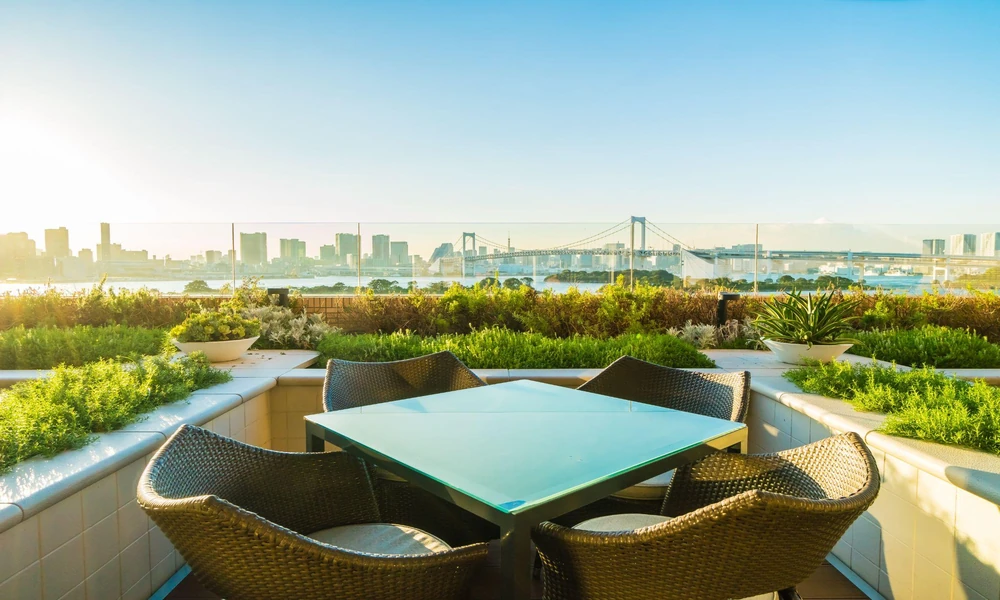
Different clients read venues differently. A dramatic high-rise view suits some meetings and feels showy in others. A restrained, quieter room reads as considered to some guests and underwhelming to others expecting something more notable.
Practical details shape the impression too: how easily guests can find the venue, whether reception is straightforward for someone arriving alone, how quickly a guest arriving first is seated and looked after, and whether the venue can handle dietary requirements without making a production of it. These small things register more than the décor.
What to Compare Across Venues
- Whether the kitchen will commit to a total duration and pace courses accordingly
- How late arrivals are handled without compressing the rest of the meal
- Acoustic character of the room and where quieter tables are located
- Availability of private or semi-private seating for sensitive discussions
- How dietary requirements are handled, and how much notice is needed
- Ease of arrival and how a guest arriving alone is received
Briefing the Venue Properly When You Book
The most effective thing a booker can do is explain the context rather than just the numbers. Telling a venue it’s a client lunch, how long you have, that you need a quiet table, and flagging any dietary requirements gives them what they need to prepare. Most established CBD venues handle business lunches routinely and will accommodate this readily, and the ones that respond to the brief carefully at the booking stage are usually the ones that deliver on the day. Confirming the arrangements a day or two before, particularly the timing and table, takes a few minutes and removes the most common sources of friction.
Contact HighHouse to discuss timing, seating, and dietary requirements for your next executive client lunch.