

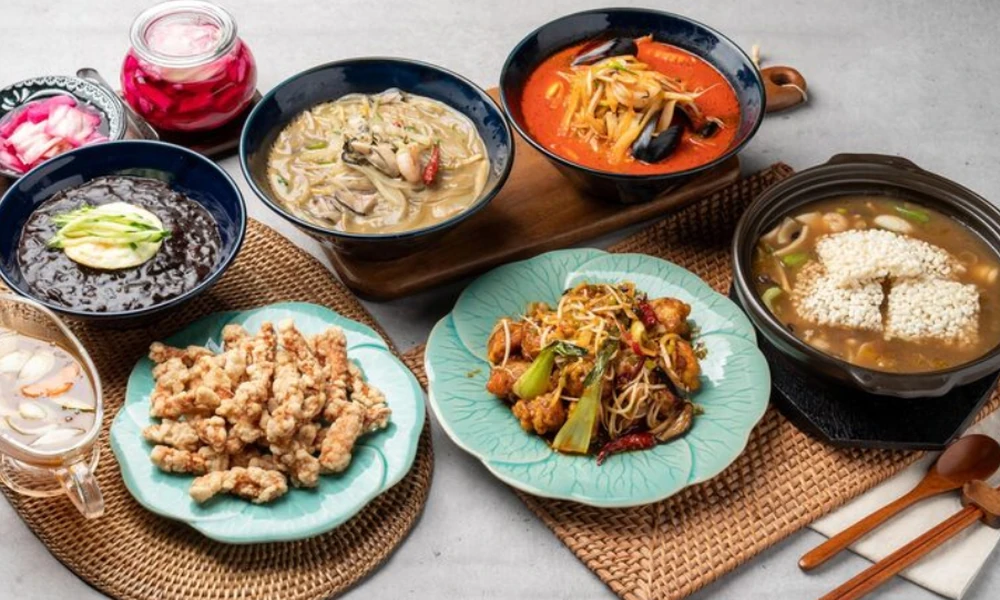
Comfort food should be familiar. This is the dish you turn to when you’re exhausted and hungry, the food that brings back memories of someone who loved you, and the taste that makes you stop without even trying. Traditional Asian comfort food dishes do this very well. Congee, ramen and Pho, curry, dumplings and stir-fried rice bowls hot pot and hot buns, steamed. These dishes were designed for everyday use and not for events.
When modern chefs begin “redefining” their cuisine, some people are worried. I get it. It could be that food items are being altered in order to make it fashionable. The reality is that the reality is that a lot of what’s happening today doesn’t involve eradicating traditions. It’s about translating it, adjusting it, and occasionally making it more accessible for contemporary consumers to feel the same sense of comfort in a different way.
They’re preserving the soul, altering the structure
One of the biggest changes is the presentation. The main flavor profile is well-known, but the style shifts.
For instance, a traditional rice porridge could be transformed into served on a plate with crunchy toppings, a variety of pickled ingredients and a more nourishing reduction in broth. The comfort remains. It’s warm, savory, gentle. However, it has now got the contrast, texture and perhaps a little more “intent” behind every bite.
It is also common in noodles as well. Chefs may retain the broth method along with the aromatics and the slow-simmered, deep simmering depth However, they can alter the noodles, include unusual garnishes, or reduce the overall taste so it is suitable for contemporary eating practices. Lighter in weight. Still a pleasant experience.
They’re utilizing better sources and a more efficient method
Many of the traditional comfort foods were created out of the need to be. Stretch ingredients. Let leftovers shine. Develop flavor slowly, as this was the best method to provide a healthy diet for people.
Modern chefs have access to a range of equipment and supply chains which allows them to build on the same underlying principles. High-quality proteins, more fresh products, improved fermentation techniques and shrewd stock selections. The food becomes more clean and more precise, without sacrificing the comfort.
There are also upgrades to techniques. Things such as:
- Braises with longer, more controlled lengths to help reduce the tenderness
- Home-made chili oils and infused fats to give it a more flavor
- Fermentation to enhance complexity, instead of relying on sugar added
- Modern temperature control system to keep soups fresh and well-balanced
It’s not always glamorous. Sometimes, it’s more steady and sensible.
They’re mixing regions and personal stories
Asian comfort food isn’t a distinct class. There are a variety of regional cuisines, and lots of chefs have a background of mixed influences as a result of the influx of immigrants, mixed families or the fact that they lived between different cultures.
There are dishes that make you feel “home,” but home is a bit more complicated.
A dumpling could include a filling influenced by a different region in contrast to the wrapper. A curry could have an old-fashioned base, but use aromatics or herbs from a different region. Noodle dishes can be influenced by street food but incorporate techniques of exquisite cuisine.
For some, this appears to be Fusion to some people. For others, it’s authentic cooking. Life is messy. The kitchens reflect this.
They’re responding to the modern diet without creating a boring environment
Another important change is food preferences. Many diners are seeking vegan options, gluten-free alternatives or meals that are lighter. Comfort food can be adapted but it requires the right skills to make it enjoyable.
Modern chefs are seeking ways to keep the “hug inside a bowl” feeling by:
- Seaweed and mushroom broths that taste great
- Crispy tempeh or tofu cooked with spices and texture
- Sauces made of coconut that are rich without dairy
- Rice noodles or other flours that are still strong
The aim isn’t to make the comfort meals “healthy” but in a smug manner. It’s about making it available without losing its flavor.
They’re making it part of the pleasure
Comfort doesn’t just come from taste. It’s also the way you eat.
This is why you’ll find many more formats that can be shared, make-your-own bowls, hot platters, interactive hot-pot setups and plates for communal use. These types of food encourage connections and that’s an important reason why comfort food is so comfortable in the first place.
Even a basic rice bowl can become a supper when served with small side dishes as well as crisp textures and a careful selection of seasoning. It’s an experience and not just a simple dinner.
Final thought
Modern chefs aren’t reviving traditional Asian comfort food. They’re expanding their offerings. They’re keeping the core of these dishes that is warmth, harmony, the attention to detail and the balance, but adjusting the style to reflect the current food preferences as well as the ingredients and styles of cooking.
If we’re being honest, that’s the way the comfort foods have always performed. It’s evolved slowly through those who love it so much that they’ll cook it.
This post was written by a professional at Fortu. Fortu stands out among the top Restaurants St Petersburg FL, offering an elevated Pan-Asian dining experience in the heart of St. Petersburg, Florida. Celebrating Asia’s vibrant and diverse culture, Fortu introduces bright and bold flavors to a bright and bold city with a menu of locally and sustainably sourced options, from small bites to hearty delicacies. Whether winding down from a beach day or celebrating a special occasion, guests can enjoy a lush, alluring atmosphere and an authentic taste of Asia’s divine cuisine at one of the finest Best Restaurants Downtown St Petersburg.