

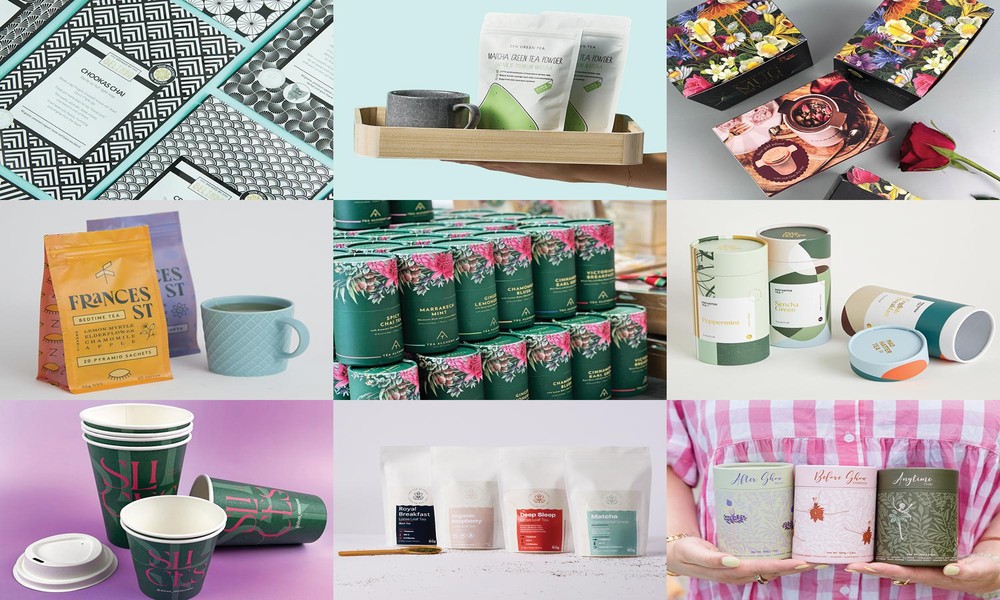
If you already understand tea products, you know packaging is not a small detail. It directly affects freshness, shelf appeal, and how your brand is perceived. I look at packaging from a practical angle. What protects the product, what helps it stand out, and what allows you to scale without friction.
If you are exploring tea packaging australia, I suggest thinking beyond appearance and focusing on performance first. The right choice will support your growth, not limit it.
This guide breaks down how to approach tea bag packaging, loose leaf formats, and broader packaging for tea so you can make clear decisions that hold up as your brand grows.
Start With Product Type and Format
Your packaging must match how your tea is stored, handled, and sold.
I always recommend starting here because everything else depends on it.
Common formats include:
- Tea bags in flat pouches or boxes
- Loose leaf tea in stand up pouches or tins
- Premium blends in cylinders or rigid packaging
- Bulk supply in larger sealed bags
Each format has different needs. Tea bags require compact, protective packaging that keeps them clean and organized. Loose leaf tea needs strong barriers against air and moisture.
If you try to use one packaging style for everything, you will run into problems with freshness and presentation.
Focus on Freshness First
Tea is sensitive. Air, light, and moisture will reduce quality over time.
I always tell people to treat packaging as a protective layer first and a branding tool second.
Look for:
- Foil lined interiors to block oxygen
- Airtight seals or zip closures
- Durable materials that hold shape
- Light blocking finishes where needed
If your packaging fails here, it does not matter how good it looks.
This is one area where experienced suppliers stand out. The Packaging People focus heavily on preserving aroma and quality, which is critical for both loose leaf and bagged tea.
Choose Formats That Fit Your Workflow
Your packaging should match how you operate, not the other way around.
Think about:
- Are you packing by hand or using machines
- Do you need fast turnaround for small batches
- Are you shipping direct to customers or selling retail
For example:
- Stand up pouches work well for hand packing and offer strong shelf presence
- Flat pouches suit tea bags and subscription packs
- Cylinders create a premium feel for gifting
- Box bottom or side gusset bags help with bulk storage
The Packaging People offer flexible formats across all of these, which makes it easier to adjust as your business grows.
Balance Branding With Practical Design
You want your packaging to look good, but it must stay functional.
I suggest focusing on:
- Clear labeling and readable information
- Consistent colour and finish across your range
- Space for batch details or product notes
- Simple designs that scale across multiple SKUs
You do not need complex design to stand out. Clean, consistent packaging often performs better.
If you are testing new blends or seasonal products, labels and stickers are a smart option. They let you customise packaging without committing to large print runs.
Consider Sustainability Early
Customers expect better packaging choices. This is not optional anymore.
You should look for:
- Recyclable materials
- Compostable options where possible
- Minimal packaging designs
- Materials that still protect freshness
There is always a balance between sustainability and performance. The goal is to get as close as possible without compromising the product.
The Packaging People provide options across recyclable and compostable materials, which gives you flexibility based on your priorities.
Use Low Minimums to Your Advantage
One mistake I see often is overordering too early.
You do not need to commit to large volumes right away.
Instead:
- Test packaging with small runs
- Validate new products before scaling
- Adjust sizing and formats based on real use
- Gather feedback from customers
Low minimum order quantities make this possible. This is one of the main reasons many brands choose The Packaging People. It removes pressure during early growth stages.
Plan for Scaling From Day One
Even if you are starting small, your packaging system should support growth.
Ask yourself:
- Can you reorder quickly
- Are lead times consistent
- Can the same packaging scale to larger volumes
- Is custom printing available later
You want a supplier that can handle both stock packaging and full custom solutions.
The Packaging People cover both. You can start with ready to use options, then move into custom printed packaging across pouches, tins, boxes, and more once your brand is established.
Think About the Full Experience
Packaging is not limited to the product itself.
It includes:
- Shipping boxes
- Subscription packaging
- Labels and inserts
- Sealing tools and accessories
Every touchpoint affects how your brand is perceived.
For example, a strong mailing box protects your product and improves the unboxing experience. Small details like tin ties or clean seals make your packaging feel complete.
Final Approach to Choosing Packaging for Tea
If you want a simple way to make decisions, I suggest this order:
- Start with product type and storage needs
- Prioritise freshness and protection
- Match packaging to your workflow
- Keep branding clear and consistent
- Choose sustainable options where possible
- Use low minimums to test and refine
- Work with a supplier that supports scaling
The Packaging People stand out because they address all of these points in one place. Their range covers everything from basic pouches to fully custom packaging, with guidance that helps you avoid common mistakes.
If your goal is to build a tea brand that lasts, packaging is not something to treat lightly. It is one of the few areas where a better decision early will save you time, cost, and effort later.