

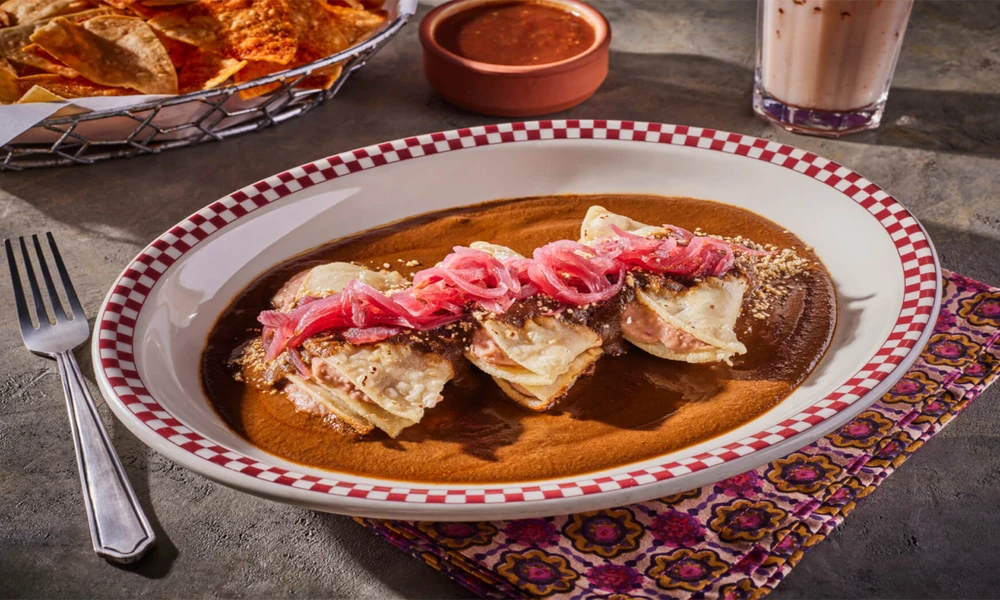
Human tongues recognize five basic tastes. These are sweet and sour and salty and bitter and savory flavors. The real magic happens inside your brain. Your brain combines these tastes with aromas. This complex combination creates the phenomenon of flavor. Some restaurants master this sensory science perfectly. The famous kitchen at Red Iguana understands this culinary biology deeply. They craft every recipe with scientific precision. They balance chemical compounds in every single dish. You taste the brilliant result in every bite.
The Chemistry of Complex Mole Sauce
Mole requires dozens of distinct ingredients. Chefs blend distinct chiles and seeds and chocolate. These diverse elements contain unique flavor compounds. Sometimes, raw chiles taste incredibly bitter. But long roasting changes their molecular structure. The intense heat breaks down complex sugars. Now, the bitter chiles become beautifully sweet. The chefs balance the heavy capsaicin oils. Capsaicin causes the familiar spicy burning sensation. Avocado leaves add an aromatic anise compound. This smart addition counters the rich pork fat. The resulting sauce achieves a perfect equilibrium.
The Impact of Acidic Balance
Acidity brightens heavy and rich meats. Lime juice contains high amounts of citric acid. Citric acid triggers immediate salivation in primates. This response enhances all neighboring food flavors. The traditional cochinita pibil relies on bitter orange juice. This acid tenderizes the tough pork proteins. The chemical process breaks down tight muscle fibers. So, the meat becomes exceptionally tender. Pickled red onions provide a sharp contrast. This pairing prevents sensory fatigue during dinner. Your palate stays excited throughout the entire meal.
The Role of Savory Glutamates
Savory deliciousness comes from specific amino acids. Glutamic acid creates the rich umami sensation. Tomatoes and aged cheeses contain abundant natural glutamates. The cooks simmer these ingredients for hours. Long simmering concentrates the savory flavor molecules. This concentration makes the broths deeply satisfying. Stewed beef dishes gain incredible flavor depth. This depth satisfies deep human nutritional cravings. The brain rewards you for consuming proteins. So, you enjoy the rich stew thoroughly.
The Physics of Crispy Textures
Texture alters your perception of taste. Crispy foods release sudden sound waves. These sounds register clearly in your brain. The brain associate’s crunchiness with fresh food. Fried flautas provide a wonderful auditory crunch. This crunch contrasts with soft shredded chicken. The contrast keeps the dining experience engaging.
Conclusion
Great cooking combines chemistry and artistic passion. The culinary team guides your senses expertly. You experience a thoughtful symphony of flavors. Every ingredient serves a specific sensory purpose. Balanced acids lift heavy and comforting fats. Crunchy textures break up soft elements. This scientific approach defines the entire menu. You appreciate the science behind the recipes. visiting the Taste of Red Iguana rewards your palate immensely. This restaurant changes your view of Mexican cuisine. True flavor mastery leaves a lasting memory.